
Aslan’s Providence and Personal Stories
The Horse and His BoyThe revelations about Aslan connect apparently scattered events while insisting that each character must face the meaning of their own choices.
increasing Bearing strength in each event
 decreasing
Bearing strength in each eventdecreasingAn Unseen Beginning
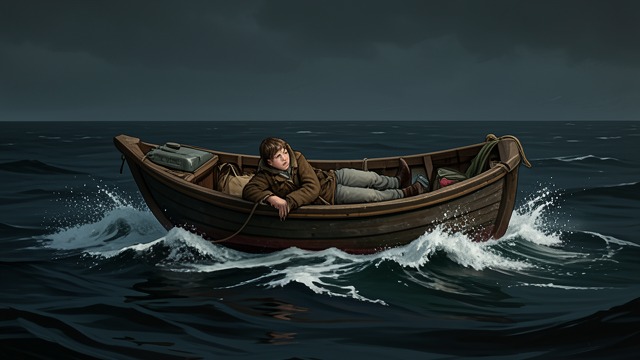
A life placed in motion
The unexplained rescue
Shasta begins life in a boat, carried near death to a shore where Arsheesh can find him. The boy knows the story as an accident of survival and grows up without understanding the forces behind it.
A later revelation
Aslan tells Shasta that he moved the boat toward land. The account makes the beginning of Shasta’s life part of a guided story without making the child aware of that guidance at the time.
The revelation changes the meaning of an event without changing its hardship. Providence operates through ordinary human decisions and circumstances, not by sparing Shasta from an unhappy childhood.
One Lion, Many Encounters
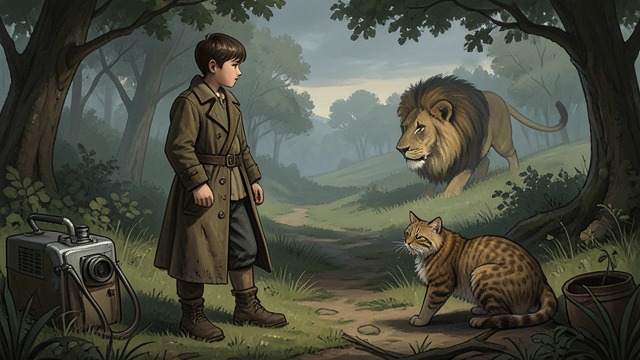
Separate dangers connected
A pattern disclosed
Shasta describes the lions, the cat at the Tombs, and the renewed strength that helped the horses reach the Hermit. Aslan tells him that he was the lion and the cat in those events.
Meaning without denial
The revelation does not deny that Shasta felt fear or suffered. It shows that experiences he thought unrelated were connected to a presence guiding the route toward Archenland.
The story’s pattern becomes visible only after the dangers have passed. Shasta can recognize the direction of his life without having been given advance explanations or control over every event.
The Guide in the Fog
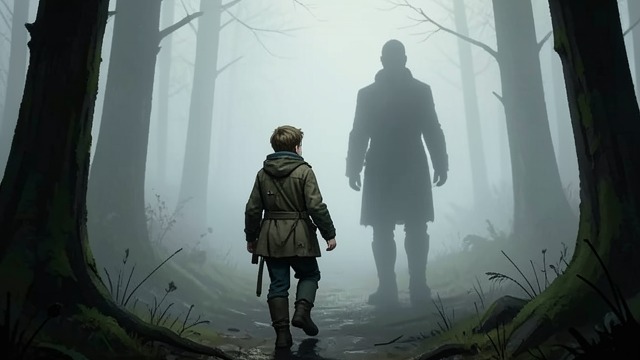
A voice beside the road
Sorrows told aloud
Shasta walks through darkness and fog, convinced that he is the most unfortunate boy alive. An unseen companion listens as he describes his losses and dangers.
Recognition in daylight
The companion reveals that he is Aslan, and the mist turns to morning around them. Shasta understands that the presence he feared was not a pursuer but a guide who has waited for him to speak.
The encounter gives care a personal form. Shasta’s trust emerges through conversation, and the truth becomes visible only when his account has made room for the companion to answer.
The Wound Aravis Must Understand
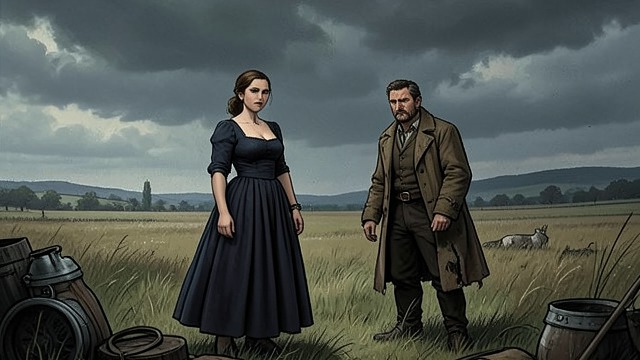
Justice in a personal story
A consequence made visible
Aslan tells Aravis that he wounded her in proportion to the stripes laid on the servant she drugged. The experience makes a harm that she had treated as distant and convenient physically immediate.
A boundary on knowledge
Aravis asks whether the servant will be harmed further. Aslan answers that he is telling Aravis’s story, not the servant’s, and does not disclose another person’s future.
The episode combines moral accountability with a limit on possession of knowledge. Aravis must answer for her action, but she cannot claim another person’s story as something owed to her.
A Warning Against Pride
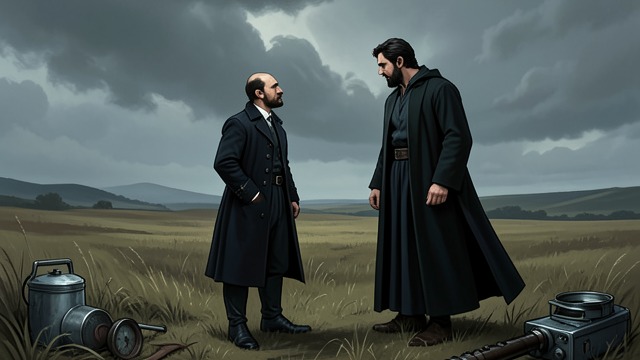
Mercy before consequence
A chance to turn back
Aslan warns Rabadash to abandon pride and anger and accept the kings’ mercy. The offer arrives after military defeat but before the prince has accepted any responsibility.
The choice persists
Rabadash rejects the warning and renews his threats against Susan. Aslan declares that the doom has arrived, and the transformation follows his continued defiance.
The scene presents judgment as consequential rather than arbitrary. Rabadash is given a way to avoid the outcome, but his own words and choices carry him toward it.
the night the infant reaches shore
after Shasta recounts his journey in the mountain mist
the night Shasta loses the road in the mountains
after Bree and Aravis speak in the Hermit’s enclosure
near the end of Rabadash’s audience at Anvard
